
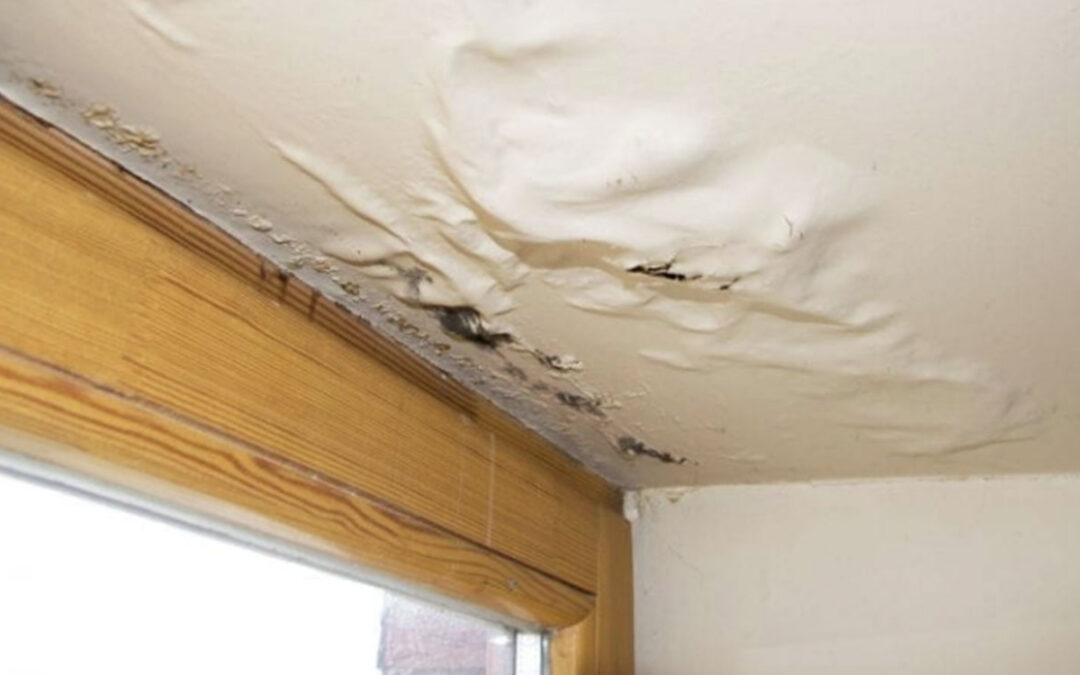
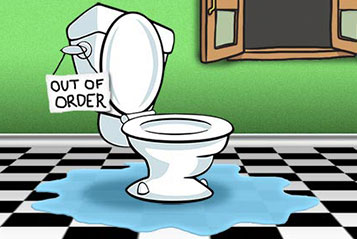
Plumbing leaks in rental properties are common. The challenge for property management companies is keeping these leaks and spills from damaging the property. Early detection is the best way to ensure this does not happen. DenCO Property Management and Sales (DenCO) instructs our tenants to contact their property manager immediately if they see water where it should not be.
Tenant and Owner Responsibilities for Plumbing Leaks
A strong lease explains that renters are responsible for any damage resulting from their negligence or their failure to notify the property manager of a water issue when it first occurs. According to Colorado law, the owner and property manager must rent safe and habitable properties, meaning the unit must have good plumbing. The landlords should inspect the property twice yearly to ensure the plumbing, appliances, and fixtures are in good working condition and make any needed repairs. If a tenant reports a leak, it is the property manager’s job to fix it promptly.
Drain and Supply Side Leaks
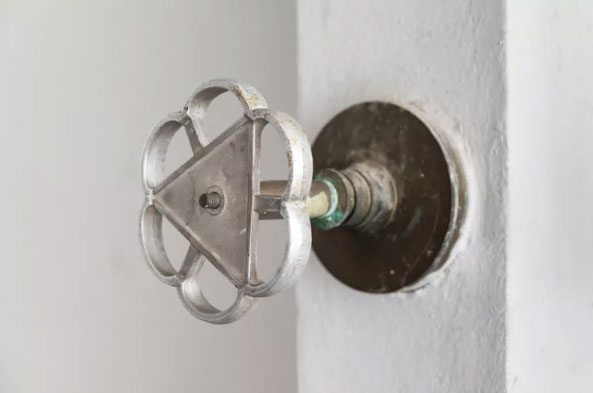
The difference between a drain-side and supply-side water leak is the water source. Supply-side water is clear and comes from the city, so the amount of water released can be unlimited. In contrast, a drain-side leak is from a toilet, tub, or sink and is usually a gray, brown, or red color. Serious supply-side leaks can flood a rental, so they should be urgently treated. During move-in, we recommend showing tenants the location of the main shut-off. Newer construction usually includes shut-offs close to a particular appliance or fixture, which is more convenient than shutting off water to the entire house. Below are common shut-offs.
Toilet – Under the fixture, follow the flexible or copper tubing to the valve next to the wall or floor. Turn the handle clockwise until it stops. Remind the tenant not to use too much force because some valves are plastic and break easily.
Sinks – Turn the handles on both valves clockwise to shut the hot and cold water off. Please do not use too much force to avoid breaking them.
Washing machine – In most cases, the hot and cold water values are above and behind the washer. If hidden, slide the washer outward to access the shut-off valves.
Bathtub – During move-in, the property manager should show the tenant how to access the bathtub’s hot and cold water shut-offs.
Dishwasher – The shut-off valve is usually under the kitchen sink.
Supply-side water leaks are considered emergencies, so property managers should make every effort to go and inspect the leak themselves. If the tenant is not home, they can may enter a rental without prior notification. While on the way to the rental, they should:
- Get as much information from the tenant concerning the location and severity of the leak.
- Ask the tenant to turn off the main shut-off or the valve closest to the leak.
- Put DenCO’s plumbers on notice of the potential emergency or ask them to come to the home immediately.
- Attach a lockbox so that plumber can enter the rental.
- Follow up with the plumber for the status of the leak repair.
If there is water damage, take pictures and notes. DenCO will notify the owner and provide them with any documentation for a possible insurance claim.
Water Heater Failure
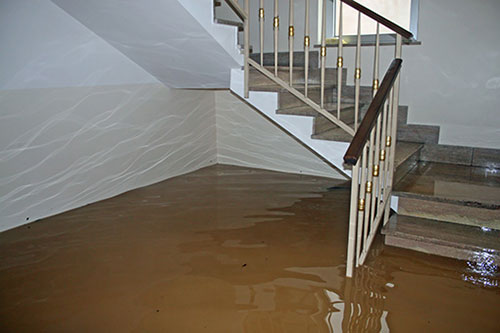
Water heaters last about ten years in Denver, and their failure is a leading cause of basement flooding. They fail because cold water causes condensation on the exterior of the heaters’ steel water storage tanks. The condensation is slightly acidic and, over time, slowly etches away the steel wall until failure. Owners or property managers should replace any water heater that is close to ten years old.
Drain-Side Leaks

Drain-side leaks are usually not emergencies, and DenCO makes it easy for tenants to report leaks by providing a tenant repair request on its website. Typically, leaks are caused by blockage, breaks, or overuse. Examples are leaking garbage disposals, tub p-trap failures, faulty toilet wax rings, and broken bathroom sinks. Handymen can fix most drain-side leaks, but call a plumber if the handyman is unavailable and the tenant wants the issue promptly resolved.
The property manager should try to trace the problem where it occurs. The leak could be far from its source because water follows slopes and takes the most efficient path. If water leaks out of a light fixture, turn it off. If the leakage is from overuse, ask the tenant to slow their use of the appliance or fixture until repaired. Sometimes walls or ceilings need to be cut to access pipes or drains. It is best to install a panel to cover where plumbing repairs have occurred, if not too unsightly.
Owners who need help responding to water leaks should consider contacting DenCO for its property management services. DenCO manages over 150 home, duplex, and apartment rentals in the DU, Washington Park, and other Denver neighborhoods and has been in business since 1990. Call us at 303-722-9688 or click here to complete a contact us form.
Recent Comments