
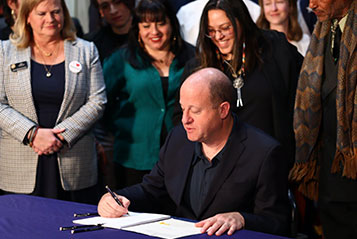
Colorado did have a Warranty of Habitability law, but local tenant advocates believed it did not hold landlords accountable. The General Assembly has passed, and Governor Polis has signed SB24-094, which modifies the existing warranty of habitability laws. The entire section of the law dealing with habitability was repealed and re-enacted with significant changes to the law. The new law defines what constitutes habitability and the procedures that landlords and tenants must follow when the tenant alleges a warranty of habitability claim. The new law is effective May 3, 2024, and applies to all residential leases, including park-owned mobile homes. The bill’s complexity, mandatory timelines, and notice requirements mean professional property managers and rental real estate investors will require legal console to review all their procedures around habitability issues. Additional legal and operational costs to ensure compliance will eventually lead to higher rents.
SB24-094 Highlights
The new law is 42 pages long and drastically changes the responsibilities required of both landlords and tenants when dealing with a habitability claim. It also defines the sanctions courts can impose on landlords for renting an uninhabitable dwelling. All rental real estate investors, property management companies, and landlords operating in Colorado must become aware of the changes in the law. Below are highlights of SB24-094.
Uninhabitable Conditions: A residential premises is uninhabitable if it has mold associated with dampness and lacks functioning appliances, waterproofing, weather protection, plumbing, gas, running water, sufficient hot water, heating, and electrical lighting. An uninhabitable condition materially interferes with the tenant’s health or safety.
Timeframes for Remedial Action: Landlords must communicate with tenants and start remedial actions within a specified time after receiving a notice from a tenant. If a condition persists for 7 or 14 days after notice, a rebuttable presumption arises that the landlord has failed to fulfill their duty. A rebuttable presumption means a specific fact is assumed to be valid until someone comes forward to prove it otherwise. In other words, it shifts the burden of proof to owners and property managers.
- Landlords must begin and continue remediation or repair of the uninhabitable condition until remedied.
- Establishes when a landlord is presumed to have notice of a condition.
Documentation and Records: All records, including correspondence and other documentation, relevant to a tenant’s claim and any remedial actions taken by the owner/property manager must be well documented and easily retrieved.
- It requires rental agreements entered after January 1, 2025, to add a statement regarding how and where a tenant can report and deliver written notice of an unsafe or uninhabitable condition.
Temporary Housing: Under certain circumstances, landlords must provide tenants with a comparable dwelling unit if an uninhabitable condition materially interferes with the tenant’s life, health, or safety.
- Owners and property managers must provide a tenant housing under certain circumstances for up to sixty days while the landlord addresses the uninhabitable conditions.
Legal Standards and Court Procedures: The bill establishes procedures for tenants and landlords in habitability claims.
- Establishes procedures a landlord must follow before entering the rental to address an uninhabitable condition.
- Identifies circumstances when a tenant may deny a landlord entry to the dwelling unit.
- Clarifies a tenant’s option when bringing a claim against a landlord and modifies procedures for accessing those remedies.
- Establishes legal standards and court procedures related to claims, including authorizing a tenant to raise a breach of warranty of habitability as an affirmative defense against a landlord’s action for possession or action of collection against the tenant.
- Establishes legal standards and procedures for a landlord’s defense of a claim and limitations on a tenant’s claim.
- Calculates actual and punitive damages that courts can reward to a tenant in breach cases.
Anti-Retaliation Protections: The bill prohibits retaliation against tenants for asserting their rights under the warranty of habitability. It outlines protected actions and defines what constitutes retaliatory actions by landlords.
Jurisdiction: It clarifies the roles of the attorney general, county, and district courts in handling violations of the warranty of habitability.
Building Maintenance & Rental Inspections
DenCO Property Management (DenCO) recommends two inspections per year on all the properties we manage. Good documentation lowers risk by proving a property manager’s due diligence to solve issues promptly. We repair minor problems, while larger projects require more planning and coordination with the tenant. Proper tenant notice not only improves tenant relations but is now the law. Colorado courts take a hard stance against landlords that do not maintain habitability.
Legal Protection
The adage is true: the party with the best documentation usually wins in court. Proper documentation clearly records actions, agreements, and communications between tenants, contractors, and other parties. Thorough property records are invaluable in demonstrating compliance with laws, regulations, and lease agreements in legal disputes. Tenant rights in Colorado are getting stronger and ever-changing. DenCO strongly advises having legal counsel on retention. Click here for more information about rental property document management.
Owners needing help navigating all the new tenant laws enacted in Colorado over the last two years should consider putting their rental under professional management. DenCO manages over 150 rentals in the DU, Washington Park, and other neighborhoods in the Denver area and has been in business since 1999. Call us at 303-722-9688 or click here to complete a Contact Us form.
Recent Comments