

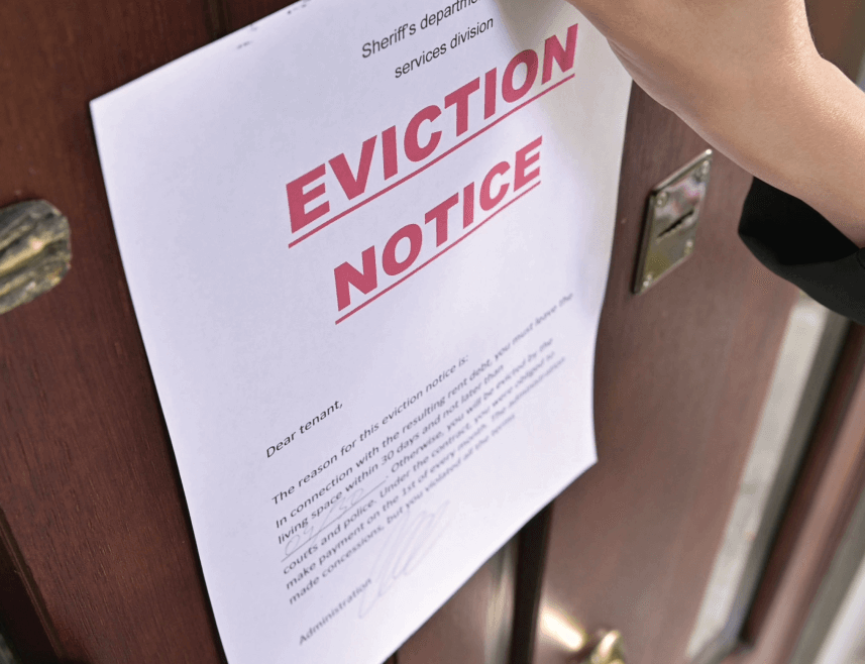
Over the past five years, Colorado’s eviction process and tenant rights landscape have shifted significantly, with 2025 offering far more protections for renters than existed before 2020. Tenant rights began to change during COVID, when the Colorado government and President Biden decreed temporary renter protections. Colorado’s progressive lawmakers decided to make some of these changes permanent. Reforms since 2021 have strengthened tenant protections around late fees, rent increases, security deposits, screening reports, and habitability standards. Taken together, these changes represent a substantial expansion of tenant rights compared to 2020. Ironically, the expansion of these rights will have two effects. Rents will increase as property managers raise them to cover the increased costs of doing business. Second, the reforms will increase the likelihood of evictions for cause, since the core legal steps—notice, filing, hearing, judgment, and the writ of restitution—remain structurally similar. However, House Bill 1120, passed in 2023, significantly increases the complexity of the eviction process for tenants receiving public assistance.
Colorado Eviction Laws
A property manager cannot remove a tenant without completing all five steps below.
Step 1: Landlord Issues a Written Notice
The eviction process begins with the landlord issuing a written notice that explains why the tenant is being asked to leave and how long they have to either fix the problem or vacate the property. The amount of time given depends on the type of violation—typically three days for non-payment of rent, unless the lease allows more time, and usually three to ten days for other lease violations. Colorado law requires that this notice be handed directly to the tenant, posted at the property, or left with someone over 18 at the residence. A quirk in Colorado law says the notice must be in the tenant’s native language. If the tenant resolves the issue within the notice period, the eviction process ends; if not, the landlord may proceed with eviction.
Step 2: Landlord Files an Eviction Lawsuit
If the tenant does not comply, the landlord may file a Forcible Entry and Detainer lawsuit in the appropriate county or district court. The property manager pays a filing fee and hands over a copy of the lease, a copy of the eviction notice issued to the tenant, and proof of delivery. Once filed, the court will officially open the case and schedule a hearing date.
Step 3: The Court Serves the Tenant
After the landlord files the eviction lawsuit, the court serves the tenant with a summons that lists the hearing date and a copy of the complaint. The sheriff or a private process server typically serves the tenant. The summons also informs the tenant of the deadline for filing a rebuttal to the court. The renter must submit it on time to avoid a default judgment.
Step 4: The Court Hearing
If there is no resolution, both the landlord and the tenant must appear in court on the scheduled date. If the tenant fails to file a written answer or fails to appear at the hearing, the judge may enter a default judgment in favor of the landlord. When both parties attend, each has the opportunity to present evidence—such as the lease, photos, notices, or payment records—to support their case. After reviewing the testimony and documentation, the judge issues a ruling. If the landlord prevails, the court will grant a Writ of Restitution authorizing the eviction. If the tenant wins, the judge dismisses the case, and the eviction ends. DenCO Property Management (DenCO) believes the party with the best documentation usually wins. Check out our blog post on the importance of rental property documentation.
Step 5: Removal of the Tenant
The court issues a Writ of Restitution authorizing the sheriff to remove the tenant from the property. In Colorado, the writ is typically served within 24 to 48 hours of issuance. Once the writ is served, the tenant has 48 hours to voluntarily vacate the property. If the tenant still does not leave by the deadline, law enforcement may physically remove them and return possession of the property to the landlord.
Tenant Colorado Eviction Timeline
- Day 0: Tenant Receives a Written Notice: The notice tells the tenant how long they have to fix the problem or move out.
- Days 3–10+: Time to Fix the Issue or Move Out: Tenant can stop the eviction by curing the problem during the notice period. If not, the landlord starts the eviction process.
- Landlord Files an Eviction Case: When a property manager files an eviction lawsuit in court, they must inform the tenant beforehand.
- Tenant Is Served With Court Papers: Usually, within 1–3 Days after filing, the tenant receives a summons with a court hearing date, a complaint explaining the landlord’s claims, and a rebuttal due date.
- Court Hearing: At the hearing, the tenant can present evidence, explain their situation, or raise legal defenses. If they do not appear, the judge can enter a default judgment against the leaseholder.
- If the Judge Rules for the Landlord: Within 24–48 hours, the court issues a Writ of Restitution, allowing the eviction to move forward.
- If the Judge Rules for the Tenant: The judge dismisses the case, and the eviction process stops.
- Final 48-Hour Notice to Vacate: Once served, tenant typically have 48 hours to leave on their own.
- Sheriff Removal: If the tenant does not vacate the rental, the sheriff will remove the tenant from the premises.
Tenant Options Throughout the Eviction Process
Throughout the Colorado eviction process, tenants have several options that may help them avoid losing their housing. They can seek legal aid or consult an attorney to understand their rights and defenses, and in many areas, they may request mediation to try to reach an agreement with the landlord outside of court. Renters do have legal remedies under the state’s “warranty of habitability,” and in certain circumstances they may withhold rent or deduct repair costs — but only if they follow the correct procedure. Check out the DenCO blog titled “Colorado Warranty of Habitability Overhaul.“
DenCO Property Management tries to inform our owners about upcoming legislation and regulations that might affect the management and value of their rental property investments. We have been in business since 1999 and manage over 175 homes, duplexes, and apartment rentals in the DU, Washington Park, and other Denver neighborhoods. Please call 303-722-9688 or fill out this form.
Recent Comments