

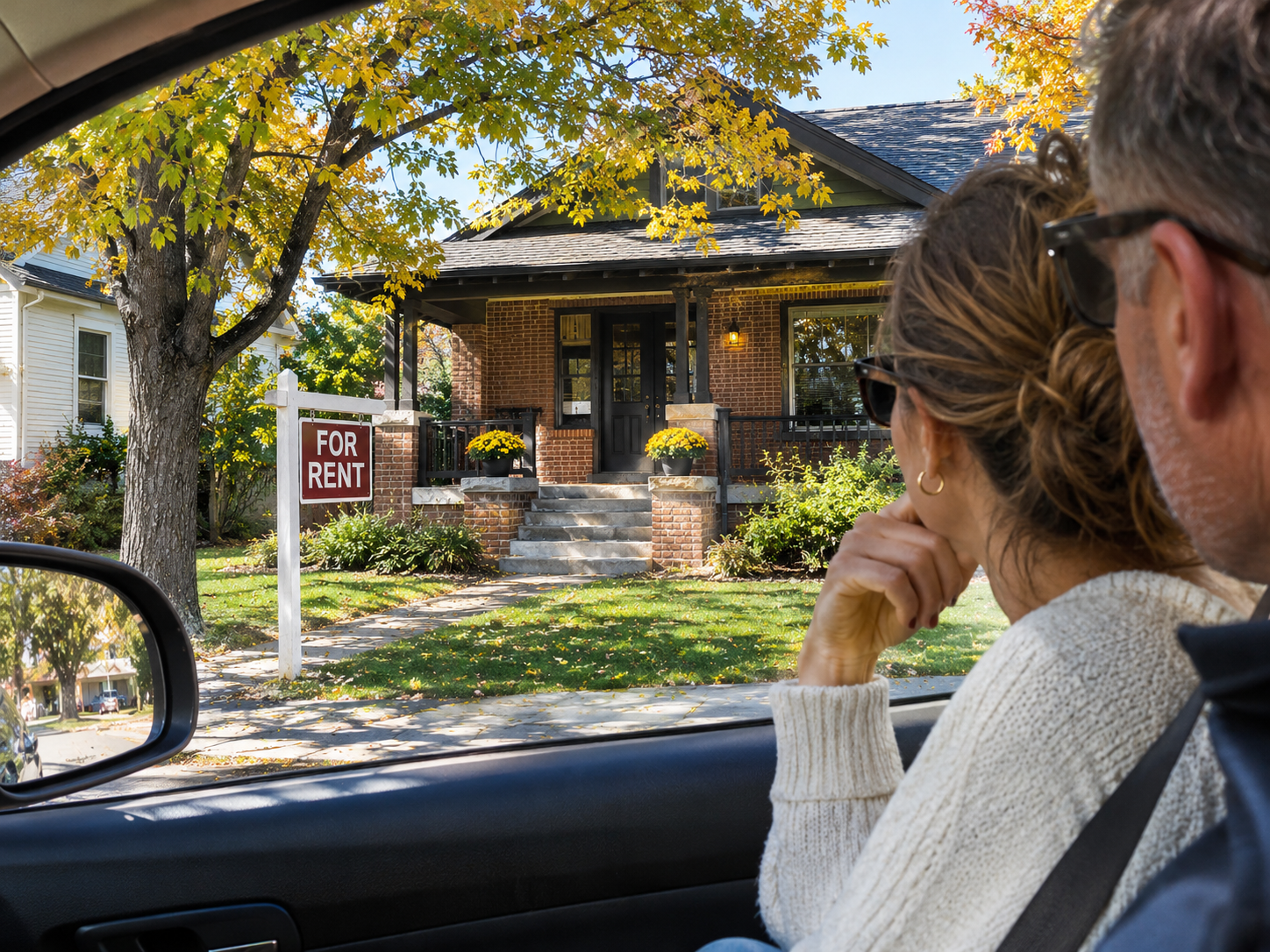
Rental property pricing in Denver is straightforward when landlords use the right data. The problem is that many do not. Some look at Zillow, check a neighbor’s asking rent, and add a few hundred dollars for a recent improvement. The property then sits vacant for six weeks. By the time the price drops, the strongest prospective tenants may have signed leases elsewhere.
After decades of leasing single-family homes across Denver, DenCO Property Management (DenCO) has seen this pattern repeat through every market cycle. In fall 2026, the cost of mispricing a rental is higher than it has been in several years. The following analysis explains professional rental pricing.
The Most Important Number Most Landlords Ignore — Days on Market (DOM)
The most useful rental pricing measure is not the listing price or what a neighboring property rented for two years ago. It is the time comparable homes spend on the market before leasing. In Washington Park, University Park, Bonnie Brae, Virginia Vale, Englewood, and Platte Park — neighborhoods where DenCO manages much of its single-family rental portfolio — correctly priced homes in the fall are leasing in 30 to 45 days. Homes priced 5 to 8 percent above market sit much longer, with substantial financial consequences.
A three-bedroom home in Virginia Vale priced at $3,200 per month that sits vacant for 60 days loses $6,400 in potential rental income. Pricing the same home at $3,000 and leasing it in 30 days would generate $1,000 more rental income over the first 12 months, despite the lower monthly rent. The lower price could also attract more qualified tenants while reducing vacancy, marketing, and carrying costs.
The lesson: Pricing a rental property correctly from the beginning can be more profitable than holding out for higher rent.
|
|
Higher Asking Rent |
Market-Based Rent |
|
Monthly rent |
$3,200 |
$3,000 |
|
Days vacant |
60 |
30 |
|
Months collecting rent |
10 |
11 |
|
Lost rent from vacancy |
$6,400 |
$3,000 |
|
Total rental income |
$32,000 |
$33,000 |
The implication is clear: disciplined pricing is more effective than aggressive asking rents. A home leased promptly at market rate to a qualified tenant can generate considerably more income over 12 months than one left vacant for two months before the rent is reduced.
The Fall 2026 Denver Market: What It Means for Rental Pricing
The apartment supply wave of 2024 and 2025—20,000 new units added across the metro area —is softening demand. As that inventory is absorbed, single-family rental owners compete with Class A apartment communities offering concessions and upgraded amenities. Single-family homes nevertheless offer features apartments cannot replicate: yards, garages, quiet residential blocks, walkable neighborhoods, and access to desirable schools. Demand for well-maintained single-family rentals in desirable neighborhoods remains solid. However, rental demand typically softens from November through February, meaning accurate initial pricing becomes especially important.
Denver rental pricing depends on more than square footage and location. Tenants compare properties in similar neighborhoods and price ranges, weighing features, condition, amenities, and overall value. Understanding what tenants are willing to pay is essential to setting a competitive rental rate. Here are the key factors that determine rental pricing.
Property Presentation: Between two comparable homes, prospective tenants tend to prefer a well-maintained property. Nice curb appeal, fresh paint, clean floors, functioning appliances, and professional showings help convey quality and create a competitive advantage.
Parking and Storage: In established neighborhoods such as Bonnie Brae and Washington Park, a detached garage or off-street parking can add value compared to homes without off-street parking.
Outdoor Space: A fenced backyard, an attractive patio, well-maintained gardens, and storage can command a premium over a comparable rental without outdoor amenities.
Updates That Matter To Tenants: Clean appliances, updated countertops, in-unit laundry, and central air conditioning are increasingly expected at mid-to-upper rental price points. Their absence puts those rentals at a disadvantage.
Lease Term Flexibility: In soft markets, flexible lease terms help avoid renewals in late fall or winter.
Tenant Retention Pricing
Tenant turnover is among the highest costs for Denver single-family rental owners. An effective pricing strategy attracts qualified long-term tenants and encourages retention through thoughtful, predictable renewal increases. An annual renewal increase depends on the market. Property managers might be able to get a 3 to 5 percent increase, or they may keep it the same to retain a good tenant. The rent rate decision needs to be communicated at least 90 days before lease expiration.
Four Rental Property Pricing Principles for Denver Rental Property Owners in 2026
- Use active listings.
- Price a rental for 3-5 days. If a property remains vacant without a qualified application, the asking rent may exceed market conditions. Timely adjustments help limit vacancy losses.
- Recognize that condition affects achievable rent. Properties in poor condition do not command the top rents. Those that show well do. Presentation should be addressed before listing.
- Incorporate retention into initial pricing. Fair rents, predictable increases, and long-term tenant relationships support consistent renewals.
How DenCO Prices Rental Properties
DenCO uses actual closed-lease data, neighborhood comparables, days on market, and seasonal trends to establish competitive rental rates. Owners receive a rental analysis with recommended pricing and an estimated leasing timeline.
Is a Denver Rental Property Priced Right?
Overpricing creates costly vacancies, while underpricing leaves money on the table. DenCO offers Denver property owners a complimentary rental analysis to help establish the right price, attract qualified tenants, and minimize vacancy.
Frequently Asked Questions
How can owners find out what Denver rentals actually lease for, rather than their advertised prices?
Closed-lease data is the most reliable benchmark and is not generally available to the public. Experienced property managers, rental-focused real estate agents, and local appraisers usually have access to these records. Zillow and similar platforms primarily display asking rents.
In a softening market, is a price reduction preferable to a concession?
Generally, lowering the rent is more effective than offering a free month or another concession. Lower monthly rent usually appeals more to tenants looking for longer leases.
What is the most common pricing mistake Denver landlords make?
Overpricing the initial listing and then using frequent reductions may raise concerns among prospective tenants, leading to prolonged vacancy. Accurate pricing from the outset is usually more effective.
How often should rental prices be reviewed?
Professional property managers review rents before lease renewal. They use recent closed-lease comparables from the property’s specific neighborhood rather than metro-wide averages.
Recent Comments