
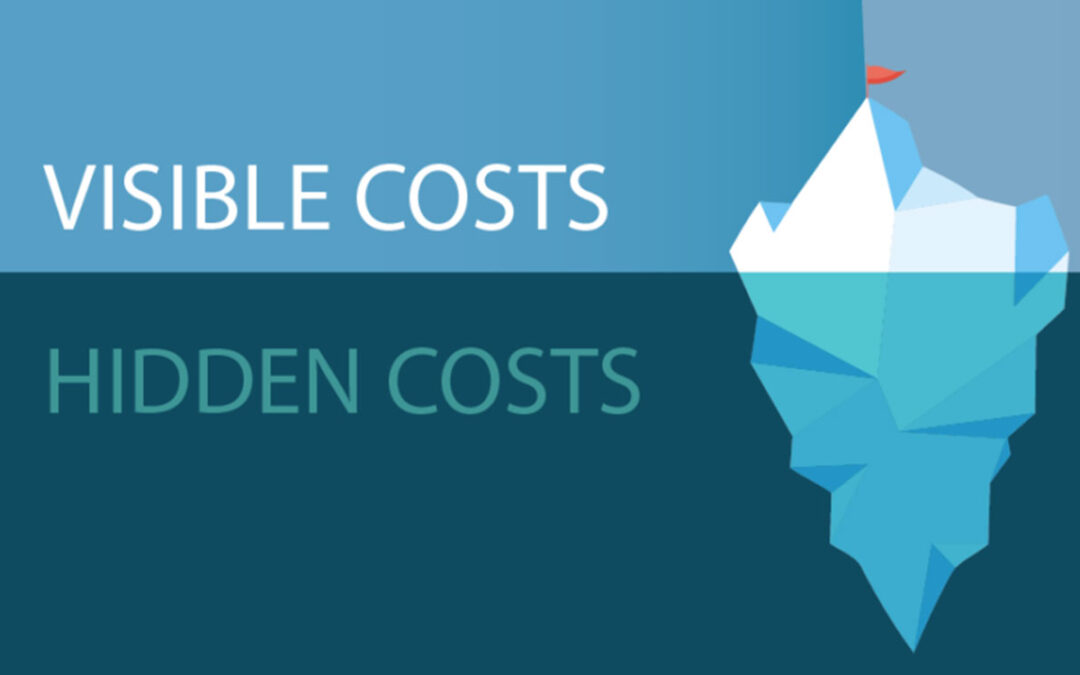

What Hidden Costs?
Management companies such as DenCO Property Management (DenCO) believe there are no hidden costs associated with being a landlord because we have systems in place to track all the costs associated with managing the rentals under our management. DenCO, when hired by owners, manages their long-term investments well to obtain a reasonable return and maintain asset value. However, some rental investors lose money because they underestimate or do not track all the costs of acquiring and managing rental properties. Expenses such as tenant damage, furnace failure, or hail damage occur, but their costs are not hidden; they are just unexpected. Below are typical property costs when buying or managing rental properties.
Purchasing Cash Flow Positive Properties
DenCO believes investors should purchase properties that are cash flow positive. A property location has much to do with how much tenants are willing to pay for rent. The better the area, the higher the rent. Investors should always look for underpriced properties in good neighborhoods, next to parks with easy access to retail shops and restaurants. With a new coat of paint, new appliances and fixtures, and refinished floors, rentals can become a welcoming place to live and demand above-market rents. The monthly rent payments must cover mortgage payments, property insurance, and local property taxes, with some money remaining to cover future capital expenditures. Investors should only purchase properties that are cash flow positive. Not doing so means there will be out-of-pocket expenses each month.
Property Updates
Investors should thoroughly inspect a property before they purchase it. They must look for aging roofs, broken appliances, and outdated kitchens and bathrooms. They must also inspect sewage main lines, foundations, electrical service systems, interior plumbing, and HVAC systems. Missing a major problem can mean significant outlays, making the rental habitable.
Insurance and Property Taxes
Rental property insurance costs more than owner-occupied homes and covers potential liabilities and damages. After the repeal of the Gallagher Amendment, Colorado owners can expect hefty increases in property taxes this year. What property owners will pay in 2024 depends on property location and property assessments.
Legal Fees
Legal counsel periodically reviews DenCO’s lease agreement to ensure compliance with current state and local housing regulations. Landlords should retain an attorney to defend against disputes over deposits and tenant damage by tenants. With the passage of HB-24-1098 this year, property owners could be paying more legal fees since tenants have more incentives to appeal evictions. Legal fees tend to be costly and eventually passed on to leaseholders.
Maintenance and Repairs
Property management companies and owners must maintain their rentals to meet Colorado habitability standards. They should also monitor curb appeal and add amenities that tenants desire to improve the marketability of the rentals under their care. Smart landlords respond to tenant repair requests promptly because satisfied leaseholders tend to renew their leases and take more responsibility for their rentals.
Vacancy
When a rental property is unoccupied, owners lose rental income but still need to pay their mortgage payments, property taxes, and insurance. The property manager’s job is to keep rentals occupied with good tenants who pay them on time. When a vacancy occurs, they must quickly return the rental unit to the market with a well-thought-out pricing and marketing plan.
Tenant Turnover
High tenant turnover is costly because each time a tenant moves out, the property manager cleans and makes necessary repairs to prepare the property for the next tenant. Additionally, high tenant turnover increases advertising and screening costs.
Capital Expenditures
Appliances, furnaces, roofs, and plumbing eventually wear out. We recommend that rental investors put some money aside each month to cover future improvements and replacements to maintain habitability. Colorado law gives tenants the right to expect roofs that do not leak, reliable heat in the winter, functional appliances, electrical systems, and plumbing.
Inflation Impact On Costs
Inflation is insidious because it forces up prices across many actions owners and property managers undertake to maintain their rentals, such as repairs, replacing carpets and appliances, and capital improvements. Products, labor, and material costs have increased substantially since the pandemic. Owners and property managers must update all the cost assumptions in their cash flow projections to reflect inflationary pressures on all expenditures.
Rental Property Insurance and HOA Costs
According to a Denver Post article on February 20, 2025, wildfires, natural disasters, and inflation drove up insurance costs across Colorado. Colorado homeowners are reporting premium increases ranging from 30% to more than 130% over the past few years because insurance companies reported the fourth-highest losses in the country for the last five years. Condo owners are getting hit with special assessments to cover higher insurance premiums. Unfortunately, the state experienced an average 57.9 percent cumulative change in rates between 2018 and 2023, one of the highest in the country. To ensure accuracy, owners and rental managers must adjust their insurance cost assumptions when calculating rental cash flow.
Property Taxes
The repeal of the Gallagher Amendment in 2020 without a replacement set the stage for a staggering increase in property taxes for rental investors in Colorado. According to the Common Sense Institute of Colorado, homeowners face an estimated 32% to 54% cumulative increase in their property tax bill between 2024 and 2026 for a $500,000 home. Denver County has a property tax-to-income ratio higher than 63% of all U.S. counties. Once again, the property tax numbers in rental cash flow projections need to be updated.
The Straw That Broke the Camel’s Back
All these costs add up, turning some rental property cash flows negative. Owners and property managers could raise their rents, but the Denver market is soft in 2025. Investors with older homes should consider selling and buying newer homes with warranties. These warranties will cover all maintenance and replacement costs for several years, lowering costs and improving rental cash flow.
Property management has many facets that require attention to detail, human relations skills, and time. Rental property investors who lack these skills or the time should consider having their assets professionally managed. DenCO has been in business since 1999 and manages over 150 homes, duplexes, and apartment rentals in the DU, Washington Park, and other Denver neighborhoods. Call us at 303-722-9688 or click here to complete a Contact Us form.
Recent Comments