

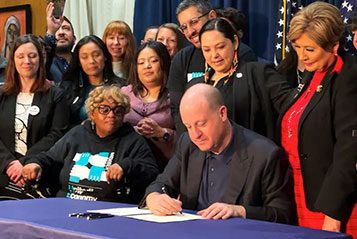
House Bill 24-1098 represents Colorado’s legislative attempt to enhance tenant protections and clarify the responsibilities of landlords and property managers during the lease renewal process. The days of terminating rental agreements without cause at the lease term end are gone. The legislators hope the new plan will provide tenants with more housing security and stability, minimizing the risk of sudden displacement. Under the bill, landlords must give valid reasons for not renewing a lease and apply a 90-day notice to ensure sufficient time for tenants to secure alternative housing. The bill specifies five exceptions that allow no-fault evictions upon renewal. They are:
Substantial Repairs or Renovations
Owners/property managers can evict tenants to make significant repairs that will take more than 30 days to complete and they cannot do the work with the tenants in place. Landlords must supply details of the work and construction schedule to the tenants. The tenants get the first right of refusal to return to the property once the work is completed.
Property Demolition or Conversion
If owners or managers plan to demolish a rental or convert it to non-residential use or a short-term rental property, they can initiate a no-fault eviction. Landlords must give tenants a 90-day notice and provide them with project details.
Landlord or Family Member Occupancy
If owners or their family members decide to use the rental as their primary residence, they can evict their tenants with a 90-day notice. For multi-unit properties, owners/property managers must demonstrate that no equivalent unit is available in the same building for the owner or family member to occupy. The property cannot be rented out for at least 90 days following the eviction.
Sell Rental
Owners/property managers who decide to sell their rentals can conduct no-fault evictions to vacate their properties. Again, a 90-day notice is required, and the property cannot relisted for at least 90 days after the tenant vacates.
Refusal to Sign a New Lease with Reasonable Terms
If tenants refuse to sign a new lease, owners/property managers may proceed to eviction, providing the standard 90-day notice. The new lease terms must be reasonable or similar to the previous agreement.
Click here to read HB-24-1098.
Rental Property For Cause Evictions
Colorado’s House Bill 24-1098 defines “for cause” evictions. The bill outlines how evictions can occur with due process, protecting tenants from unfair displacement while allowing property owners to manage their assets effectively. All notices must be presented in person twice before posting.
Nonpayment of Rent: If tenants fail to pay rent as agreed in their leases, the owners/property managers can initiate eviction proceedings after providing appropriate notice and an opportunity to pay as defined in the law.
Violation of Lease Terms: Landlords can proceed with evictions when tenants breach specific terms of their lease agreements. Typical violations are keeping pets in a no-pet building, unauthorized occupants, and not mowing lawns or shoveling walks. Property managers must provide notice to their tenants detailing the violations and offering them a chance to remedy them.
Damage to Property: Significant damage to rental properties is grounds for eviction. Property managers must provide evidence of the damage and give their tenants a reasonable amount of time to repair it.
Disturbing the Peace: Excessive noise, harassment of other tenants, or other disruptive behaviors that interferes with other tenants’ or neighbors’ quiet enjoyment can lead to eviction.
Health and Safety Violations: Tenants who compromise the safety of properties, such as creating fire hazards or sanitation issues, can be evicted for cause.
Illegal Activities: Engaging in drug manufacturing, selling illegal substances, or other criminal activities within rental properties are grounds for eviction.
Ignorance about HB 24-1098 is not a defense. Failure to follow these requirements exposes owners and property managers to legal risk. Tenants can challenge the non-renewals in court and stay in the property until the litigation concludes. Landlords who lose in court are subject to penalties, fines, or other sanctions by the courts. Ironically, property managers can resolve renewal issues by evicting problematic tenants who pay late or violate their leases before the rental agreement term ends, which means more evictions. Click here to read our blog about the benefits of a strong lease.
DenCO Property Management worked with its legal counsel to ensure that our renewal process follows the letter of the law. Owners needing help navigating all the new tenant laws enacted in Colorado over the last two years should consider putting their rental under professional management. DenCO manages over 150 rentals in the DU, Washington Park, and other neighborhoods in the Denver area and has been in business since 1999. Call us at 303-722-9688 or click here to complete a Contact Us form.
Recent Comments